

What is silver plating solution?
Silver plating solution is for plating and re-plating silver and other base metals that contains copper content, allowing you to completely restore your dull looking pieces! The unique formula (formerly called Sheffco Silver Solution but now re-branded as Walsh Silver Plating Solution using the same formula and made in the UK).
On this page, we share with you a tutorial on how to apply silver plating solution and answer your common questions, as well as giving our tips and advice for achieving a professional result.
What can I use Silver Plating Solution on?
You can use silver plating solution on any metal that has copper content such as silverplate, brass, bronze and nickel. It can be used for re-plating tired looking silver plated jewellery as well as being ideal for bringing back some sparkle to dull looking metals such as silver plated photo or picture frames, silver plated table-wear and cutlery.
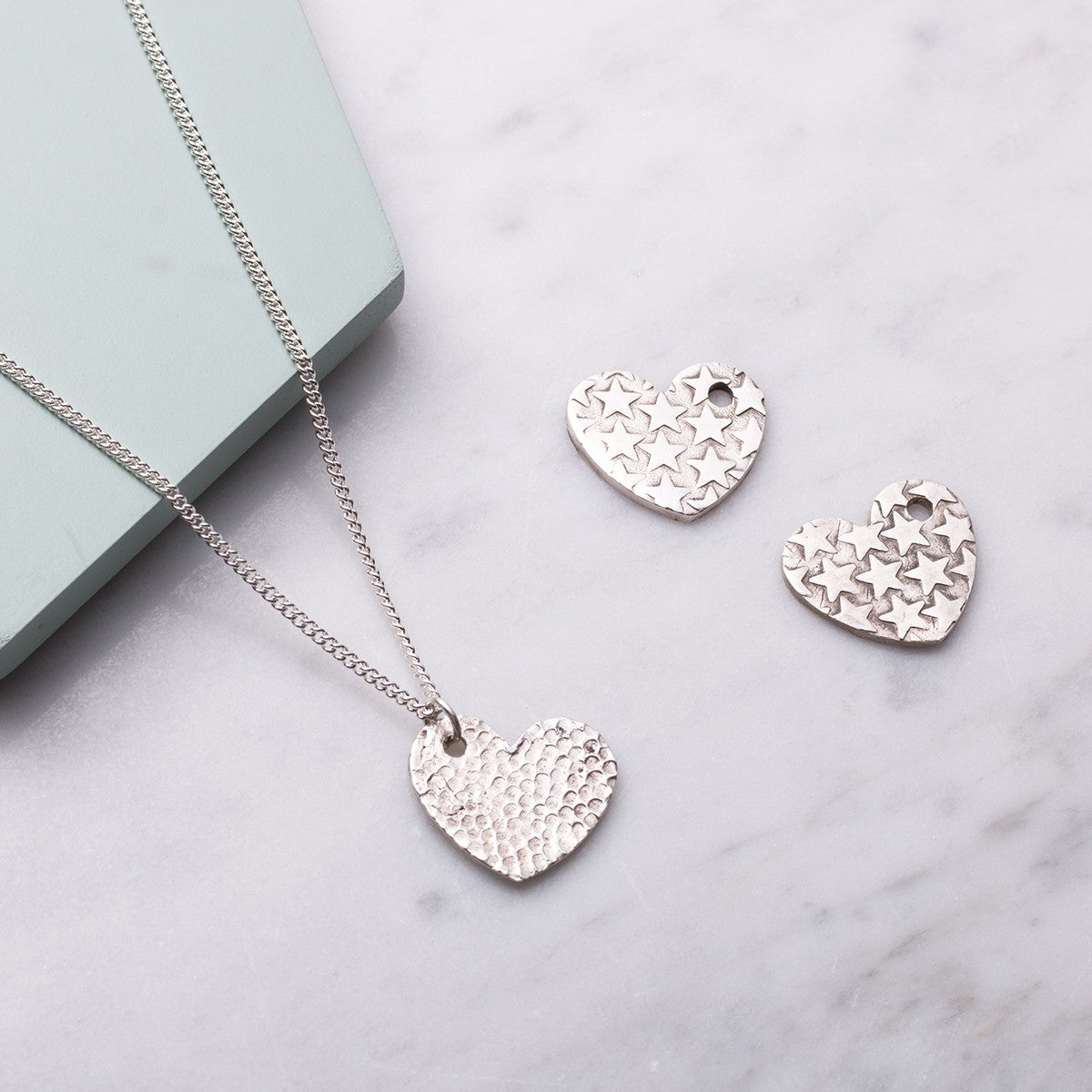
Don't forget this solution will only work with base metals that contain copper - some tablewear is stainless steel that has been electroplated so the solution wouldn't work as steel doesn't contain copper. Alternatively if you have some costume jewellery in brass, copper or bronze, you can transform it into a silver colour for a new lease of life.
Products & Supplies Mentioned in this Guide
- Silver Plating Solution
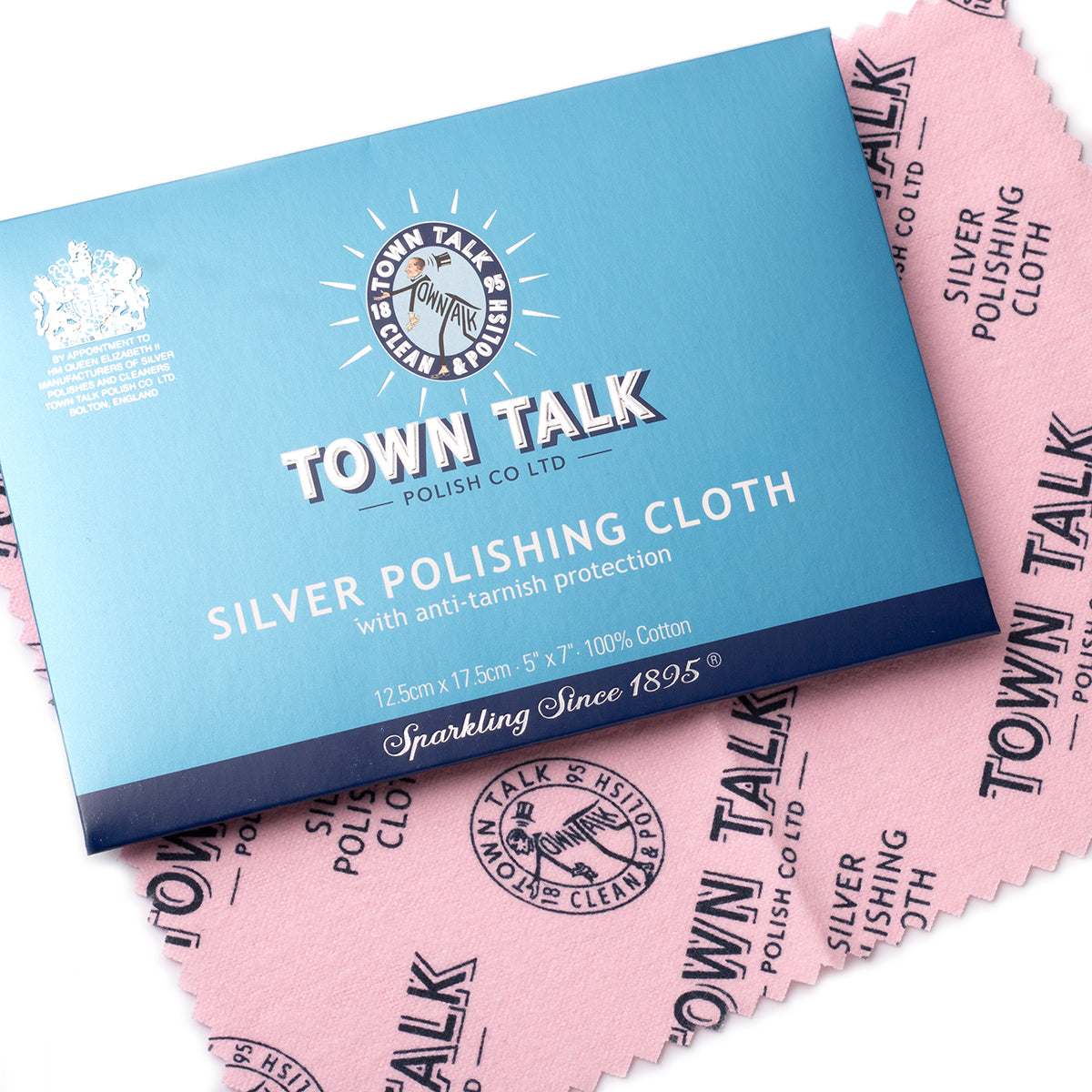
- Jewellery Polishing Cloth
- Midas Finish Seal Lacquer
Watch our video tutorial on how to apply silver plating solution
How to Apply Silver Plating Solution Step by Step

Step 1
Ensure that the surface of your item is clean with no dirt or grit by giving the surface a quick polish.

Step 2
Shake the bottle well to distribute contents. Pour some of the solution on to a clean cloth (ensure you are wearing gloves to avoid staining!).

Step 3
Apply liberally with a clean cloth or soft sponge. Darkening often occurs as the transfer of silver takes place.

Step 4
Apply liberally with a clean cloth or soft sponge. Darkening often occurs as the transfer of silver takes place.

Finished
Buff lightly with a soft cloth. A beautiful shine will appear and the silver plating process is complete. If necessary, re-apply to badly worn areas or to increase the thickness of the silver.
Watch quick before & after of using silver plating solution
Hannah from our team has a pendant that we believe has a brass base metal and the silver plating has worn away, so we thought we'd get out the silver plating solution to bring it back to life again! Watch the video to see it in action.
Frequently Asked Questions About Silver Plating Solution

How durable is the silver plating?
The plating result is permanent and will not chip, flake or peel. However, if it is a piece of jewellery you have applied it to then it will depend on the amount of wear and how much friction it comes into contact with (as with all silver plated jewellery items). Likewise if you polish it excessively you will also wear the plating away, but it can easily be re-applied.
Can I polish items that I’ve silver plated?
Yes you can. We’d recommend using our jewellery polishing cloth and gently polishing the item back to a high shine. If you polish the item too hard or too frequently the plating may begin to wear through, but if this happens you can easily just re-plate the item again.
Is it easy to use?
Yes, very! It literally takes seconds to transform an item. You don't need any technical knowledge or silversmithing experience, and the only equipment you do need is a soft cloth!
Is silver plating solution safe to use?
The silver plating solution is non-toxic and odour free. It is recommended you wear gloves and cover work surfaces to avoid possible staining (you may find you end up with stained yellowy fingers otherwise!).
Does it create a thick layer on the metal?
No. The plating is a molecular reaction which bonds the silver particles to the metal. You will not notice a visible layer, as you would with paint for instance, but you will see the colour of the metal transform. The finish will depend on the texture of the metal you apply it to - so a textured metal will keep its texture.
Will it make polish the metal from matt to a high shine?
This is a plating solution not a polishing solution. The finish will depend on the level of polish on the metal before plating. So if you apply it to a highly polished copper item your finish will be a highly polished silver, if however you apply it to a matt or satin-finished metal, the finish will still be matt or satin. You may notice some improvement in the shine as you buff it with a soft cloth after applying, and many worn plated metals will look much shinier simply because you have rejuvenated the silver plate. But it will not change the texture of the metal.
What is the shelf life of the solution?
As long as it isn’t opened, the silver plating solution doesn’t have a shelf life. Once opened, however, it depends on how much you have used and therefore how much air is in the bottle - air will slowly cause the solution to dry out. Having said that, members of staff here have bottles which have been open and used for 3+ years which are still going strong!
Is silver plating solution the same as electroplating?
Our silver plating solution offers an easy at home solution for re-plating and plating suitable metals. Electroplating is a different process which requires specialist equipment. Electroplating can also be used to plate items that would not ordinarily be able to be plated, by coating prior to plating with a layer of electrically conducting metal such a copper, which allows it to be silver plated.

Will Silver Plating Solution Prevent Allergic Reactions?
We often get asked whether applying silver plating solution to copper jewellery will prevent your skin from reacting to the metal. It is unlikely the solution will provide enough to stop the reaction however you can apply a layer of midas seal lacquer to your jewellery, to provide a barrier between the metal and your skin.
Although not marketed for the purpose of preventing allergies, the midas provides a clear, hard, abrasion-resistant finish to your jewellery and metal pieces. The team at Kernowcraft have used midas successfully to prevent allergic reactions from metals on belt buckles, poppers and watch backs.