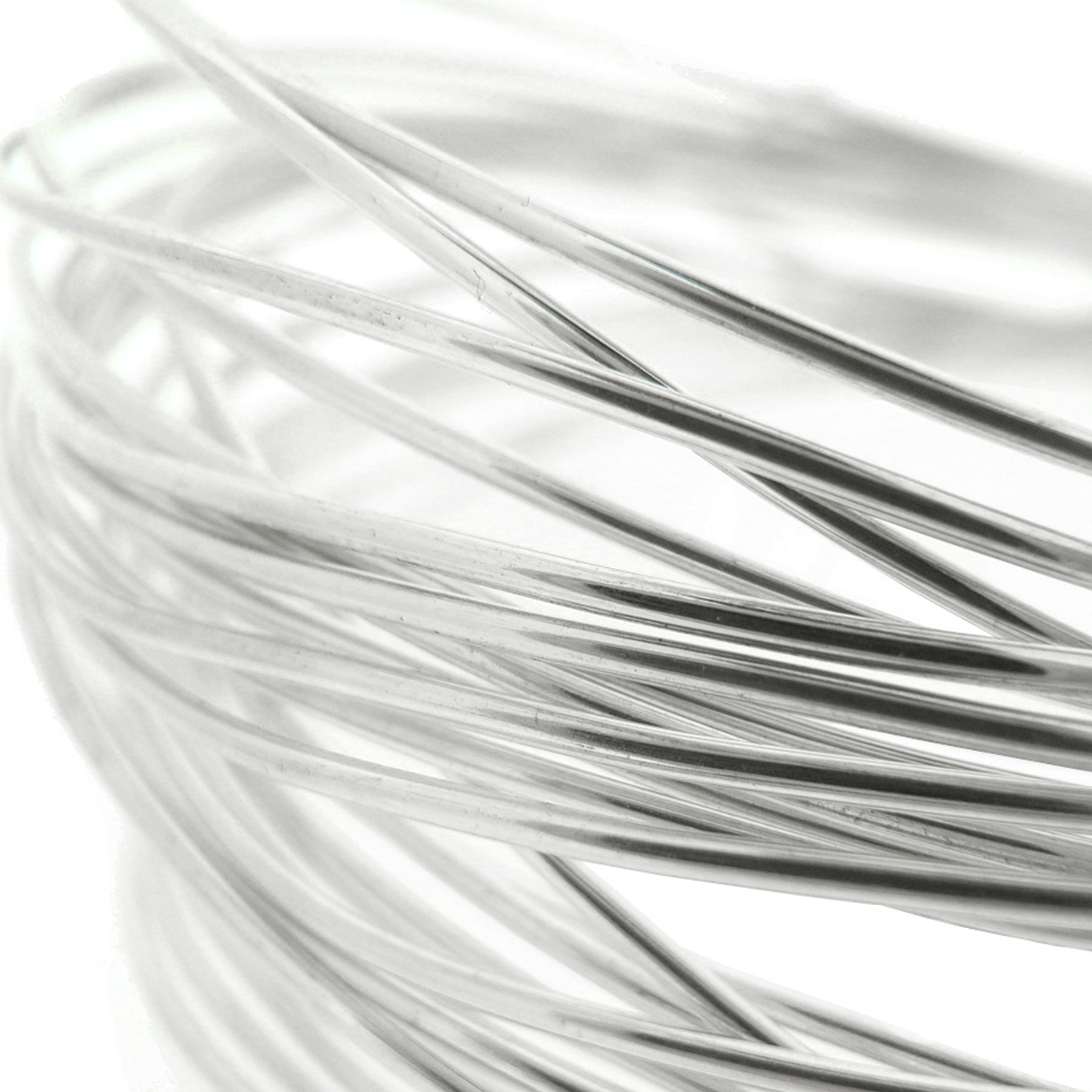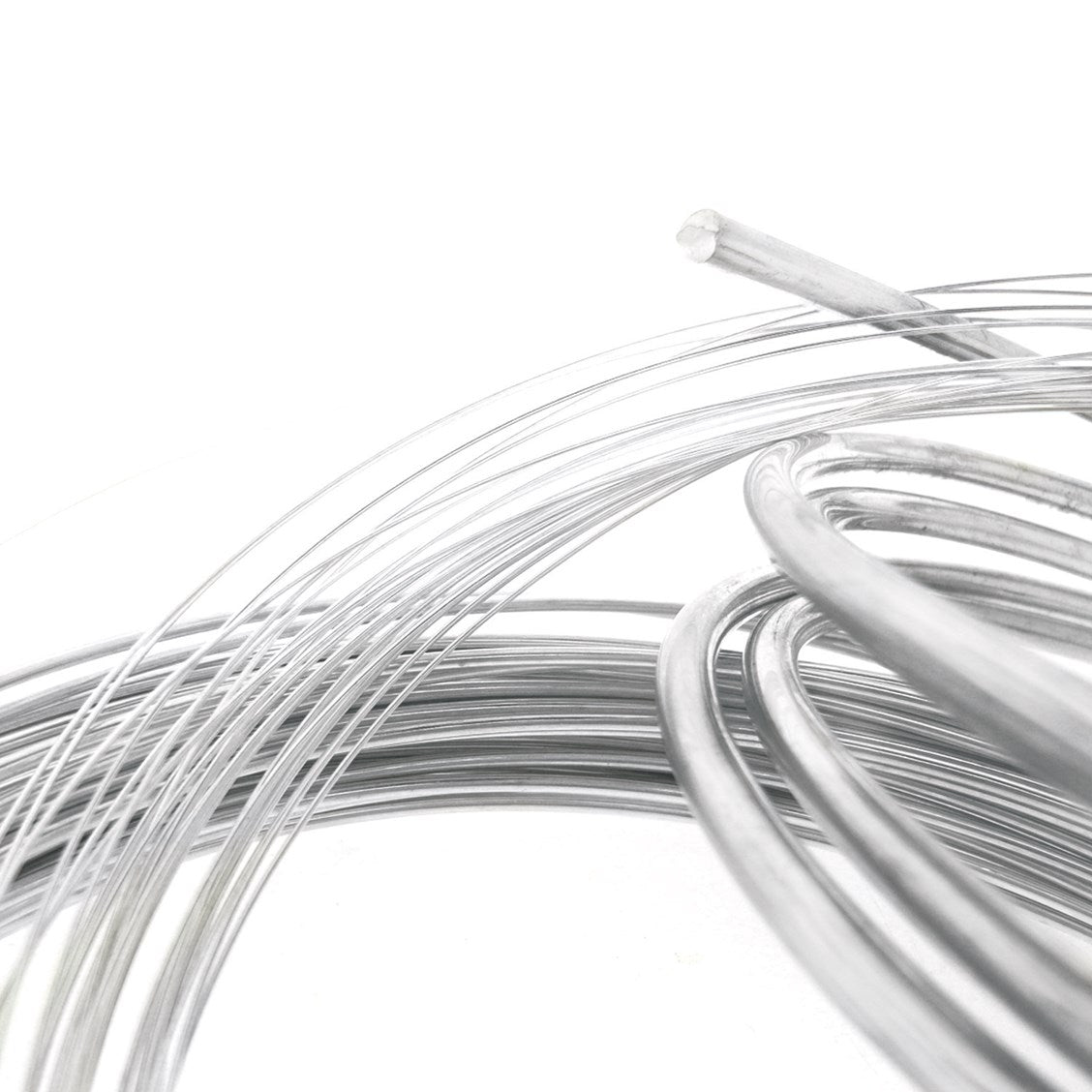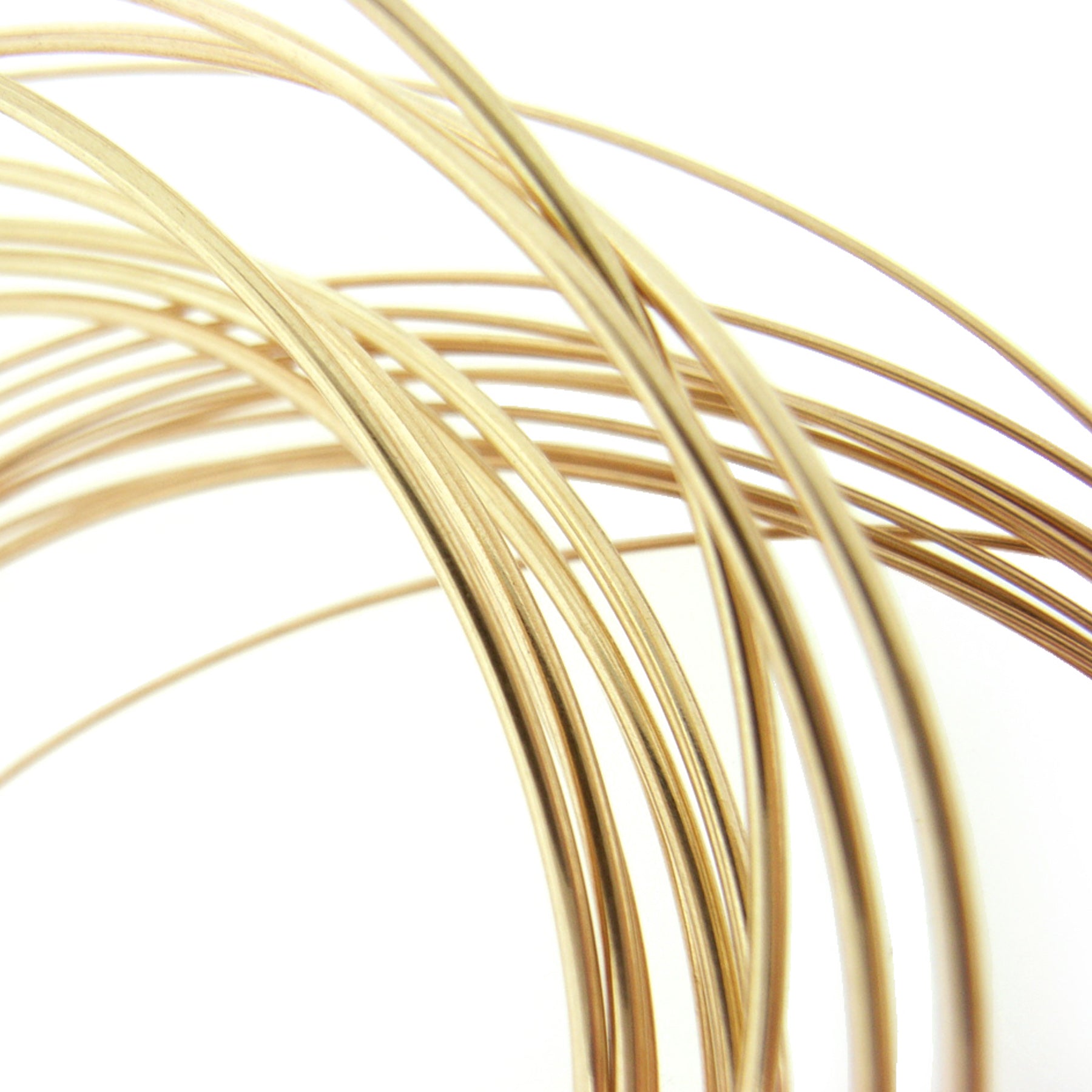

Metal wire is a huge part of jewellery making and where many jewellers start their journey.
With its importance in mind we thought we would pay a little attention to the fundamentals of working with wire and explore a few key areas. These include what metal wire to use and when, what tools to use for wire jewellery making and the different wire jewellery making techniques.
This page covers the different types of metal wire, the best wire sizes and shapes for your projects, how to choose the right tools, and a range of wire working techniques, plus links to more helpful advice pages for further reading.
Products & supplies mentioned in this guide
- Plated wire, silver plated wire & gold plated wire
- Copper wire
- Brass wire
- Fine silver wire
- Sterling silver round wire
- 9ct gold wire
- Recycled metal wire
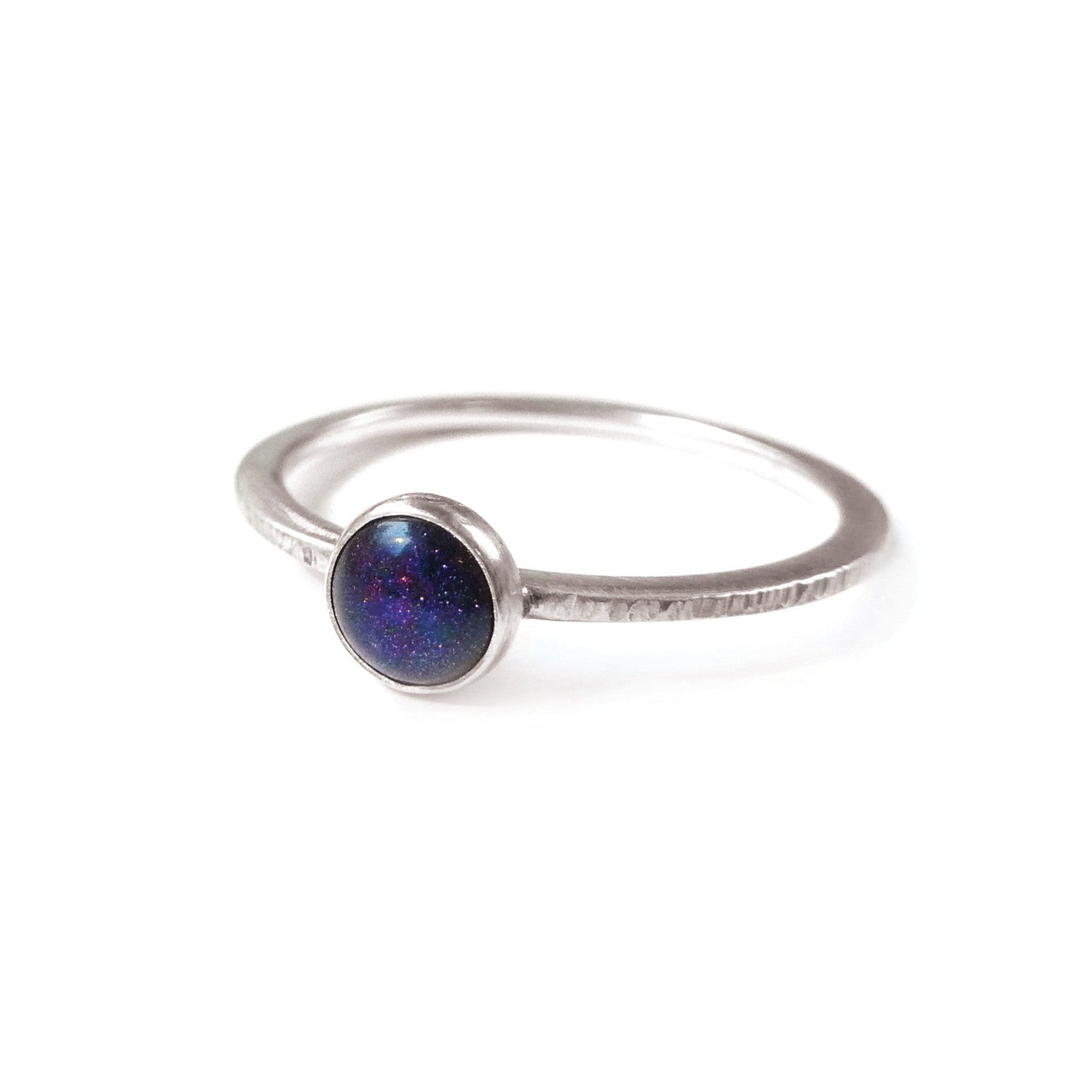
- D-shaped wire
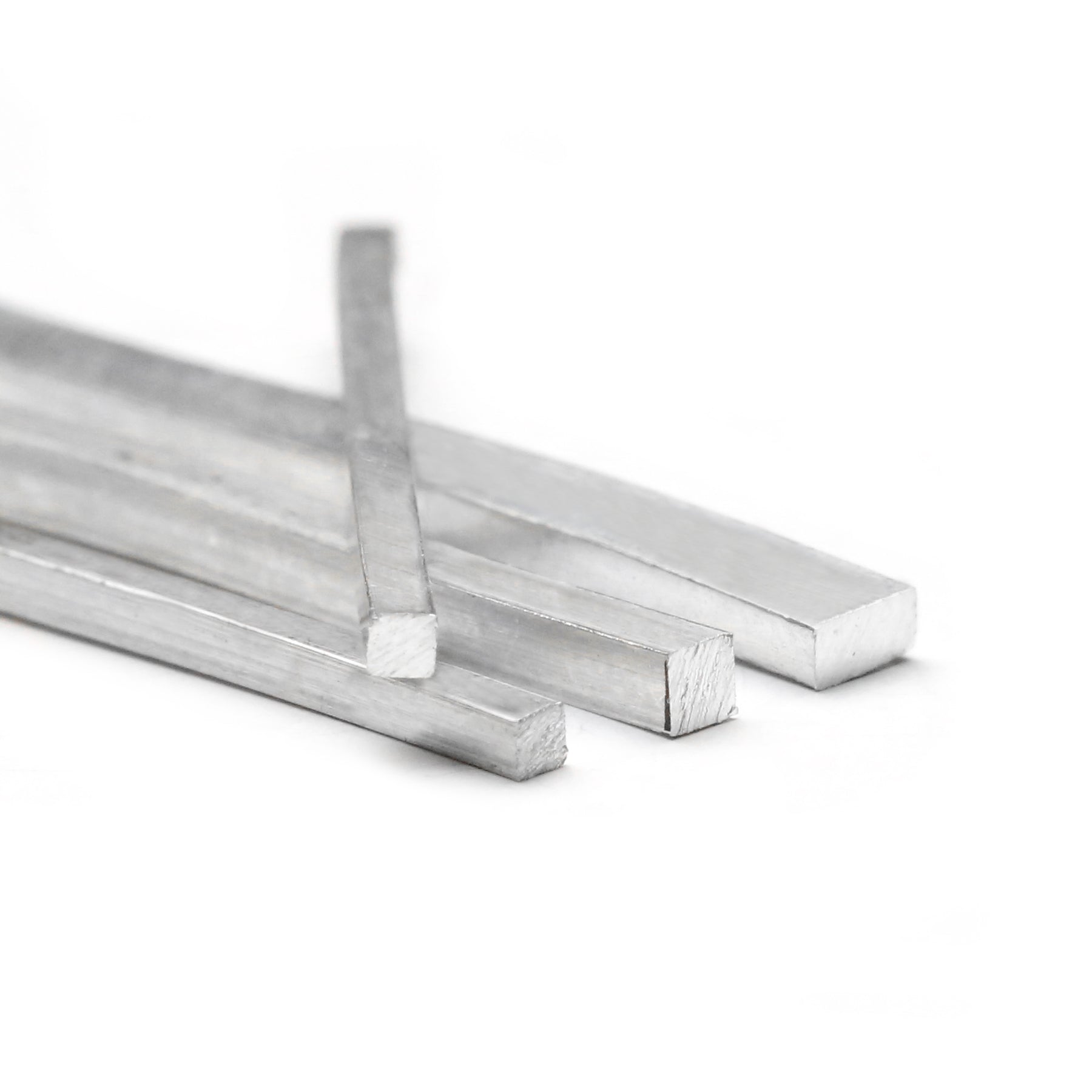
- Square & rectangular wire
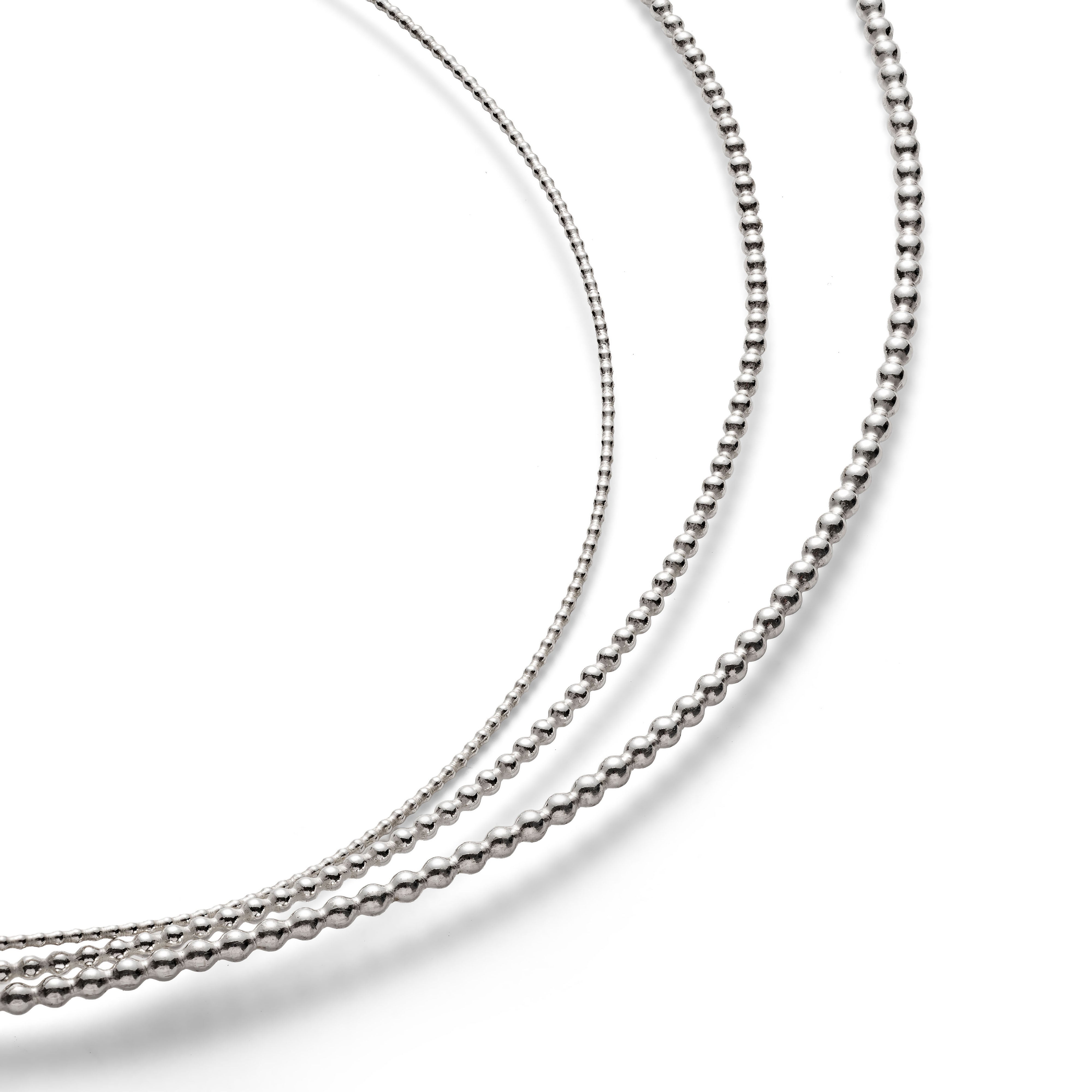
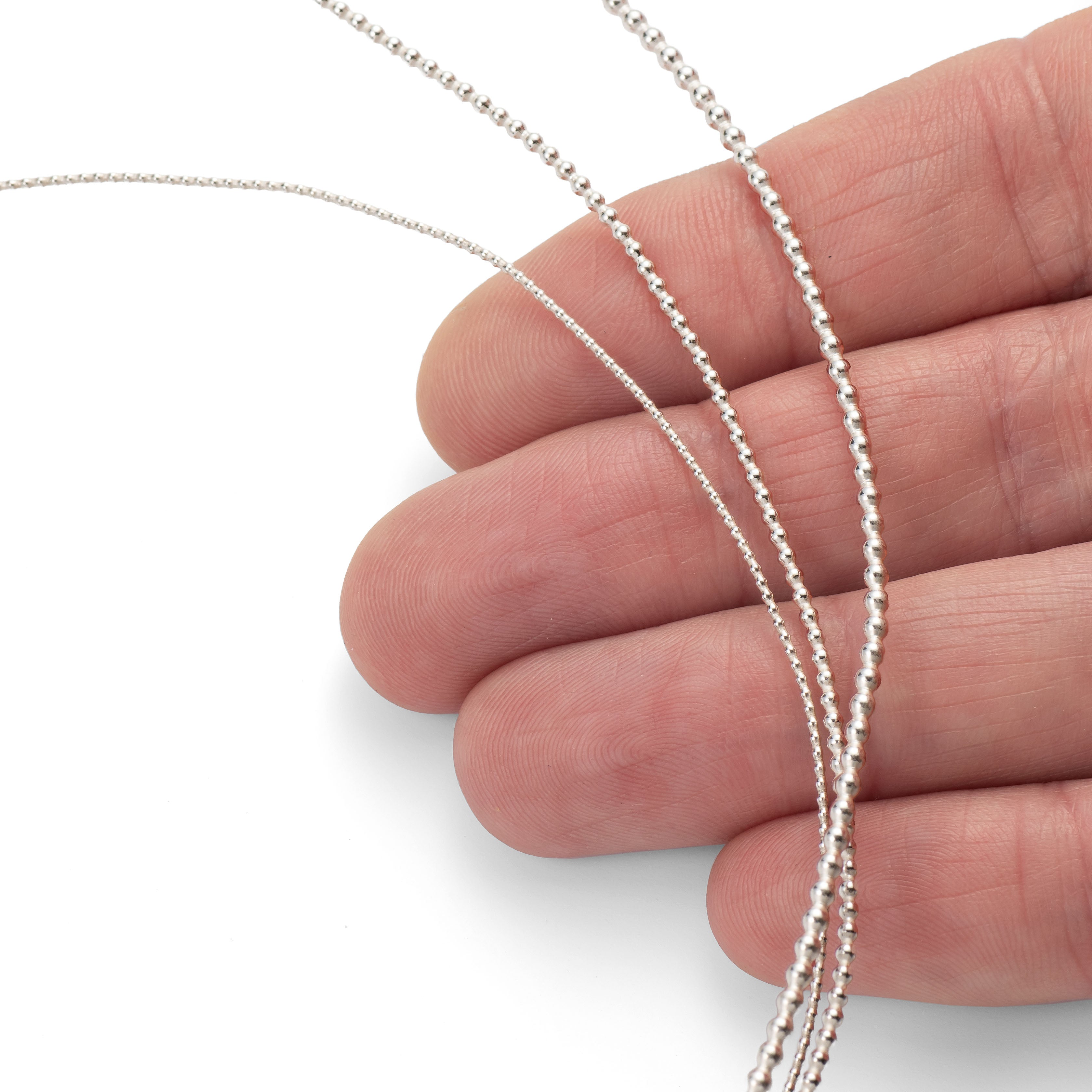
- Beaded wire
Types of metal wire
Here's a rundown of the many types of metal wire available for jewellery making, we share with you the best wire for practising with and the benefits of each one.
Plated wire
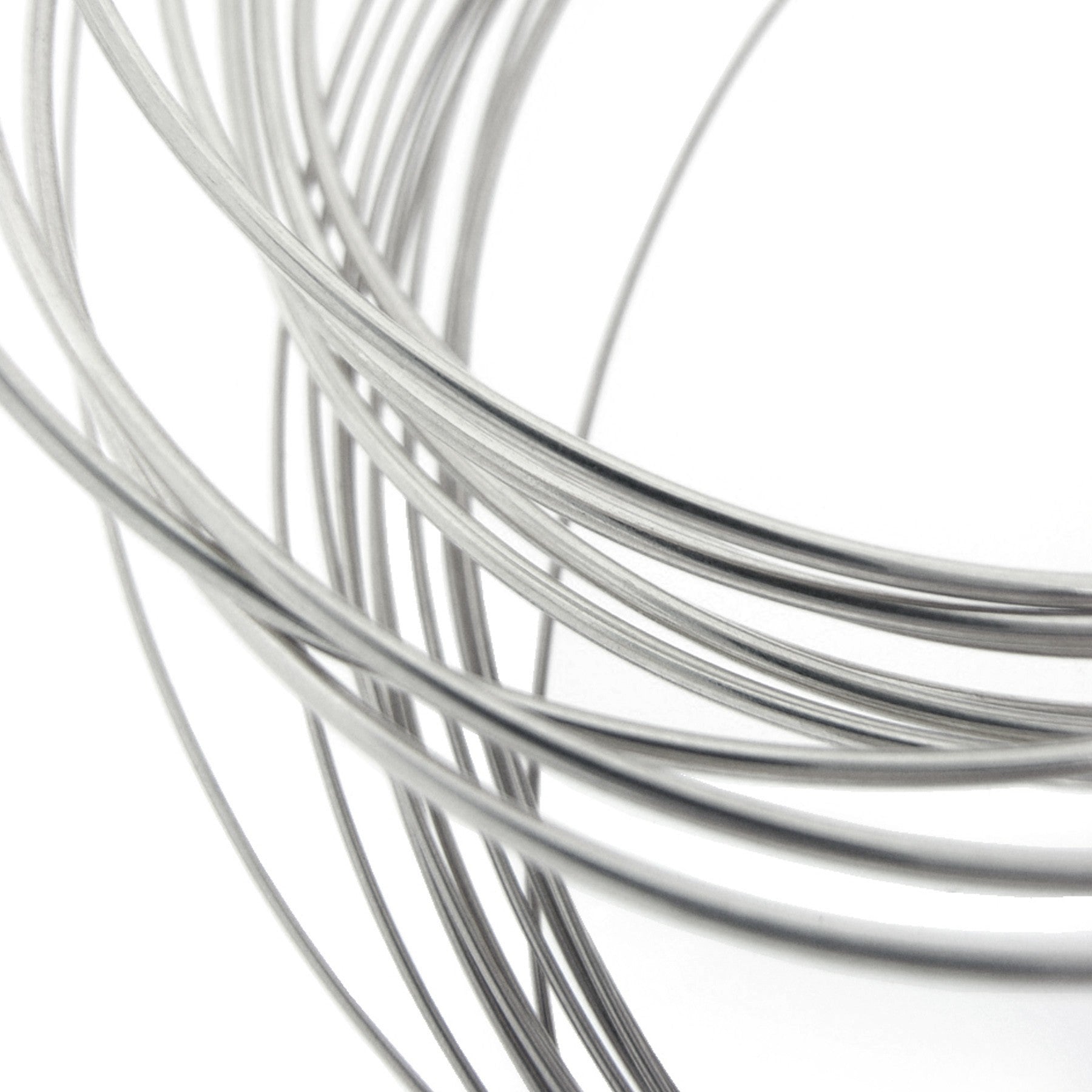
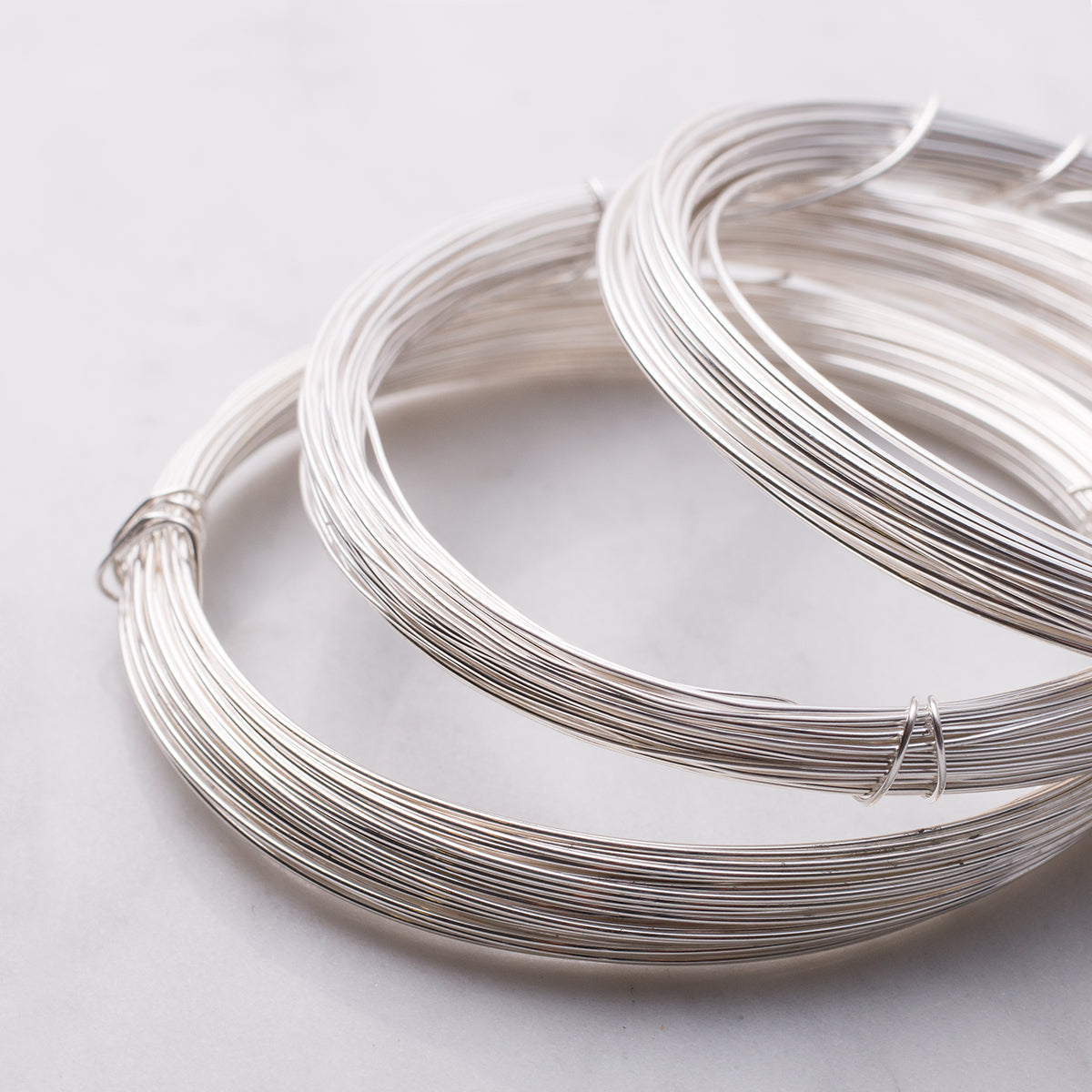
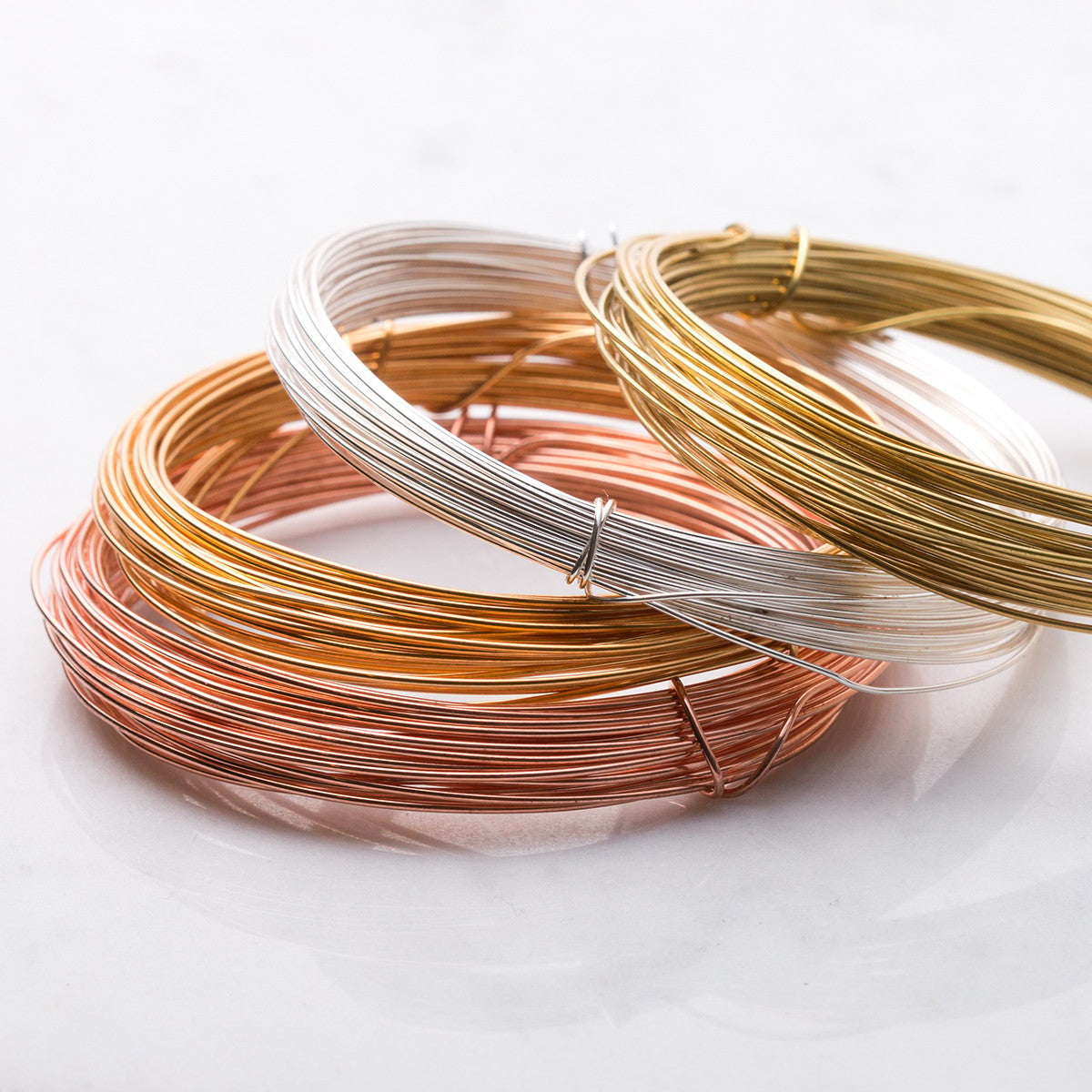
Plated wire has a copper core with a high level plated coating. Plated wire allows your design to have the same look as sterling silver and gold but for less cost. It's good to practice with this wire, but you may find the sterling silver easier to work with as it has been softened.

Copper wire
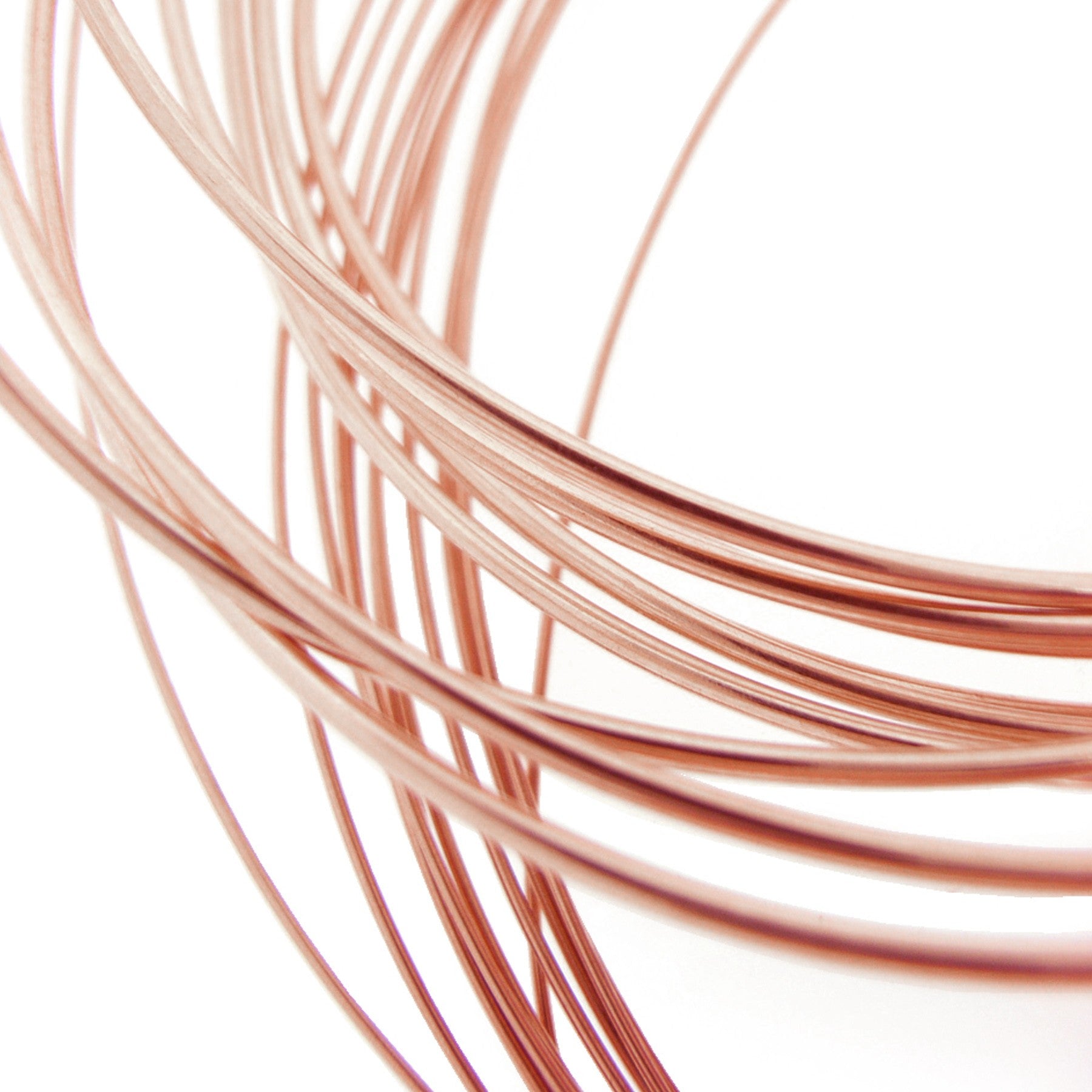
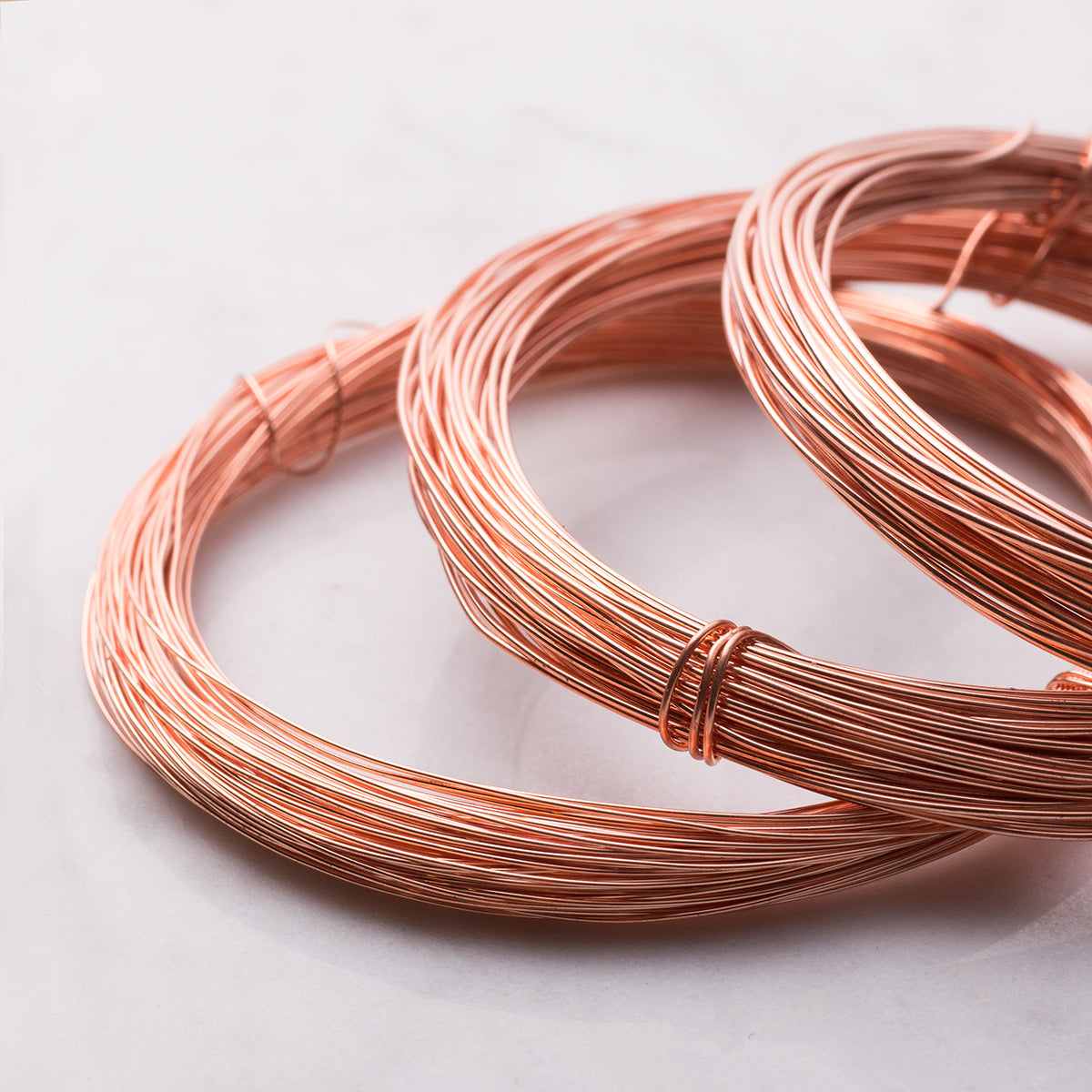
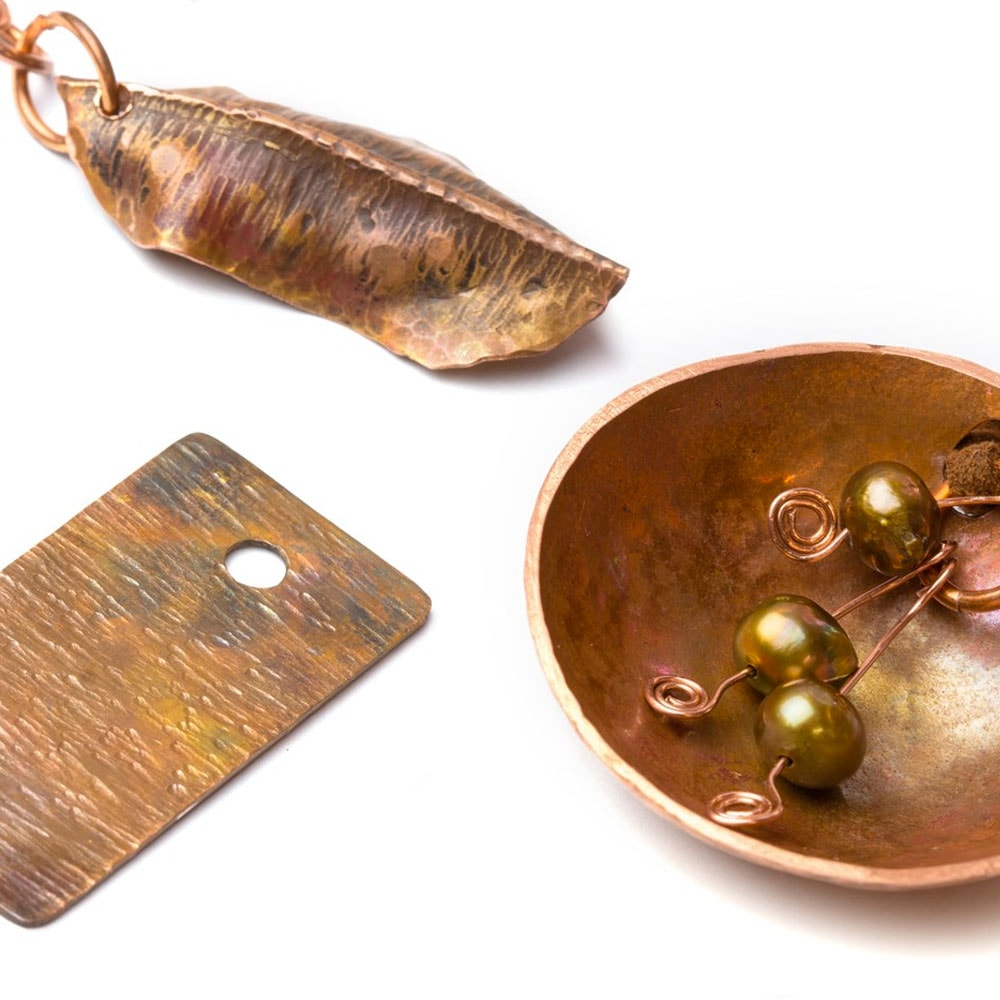
We recommend using copper wire when practicing your designs or just starting out as it is very cost effective and malleable. Copper still creates a great look with it's rich red colour and works nicely for rustic looking designs with patina.

Brass wire
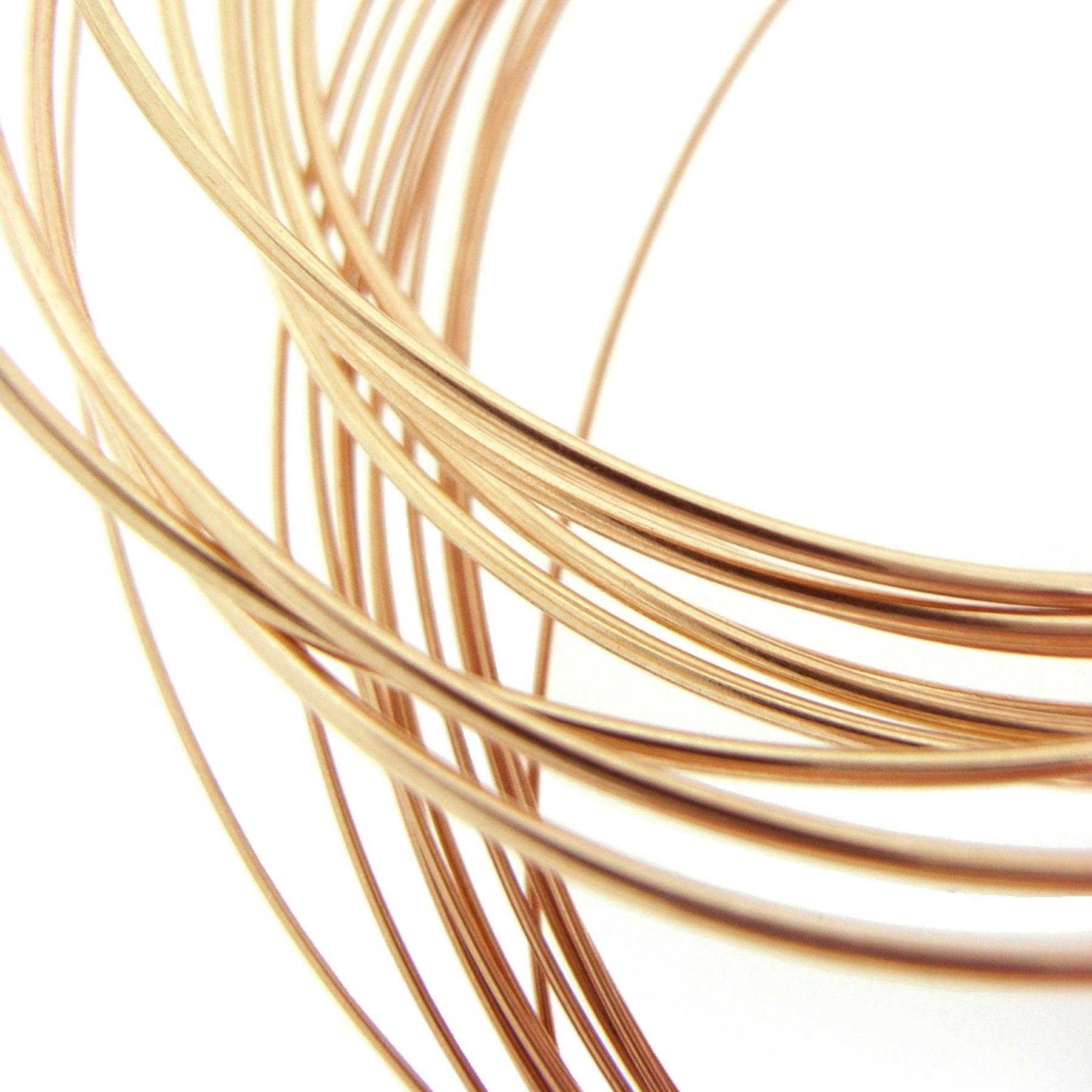
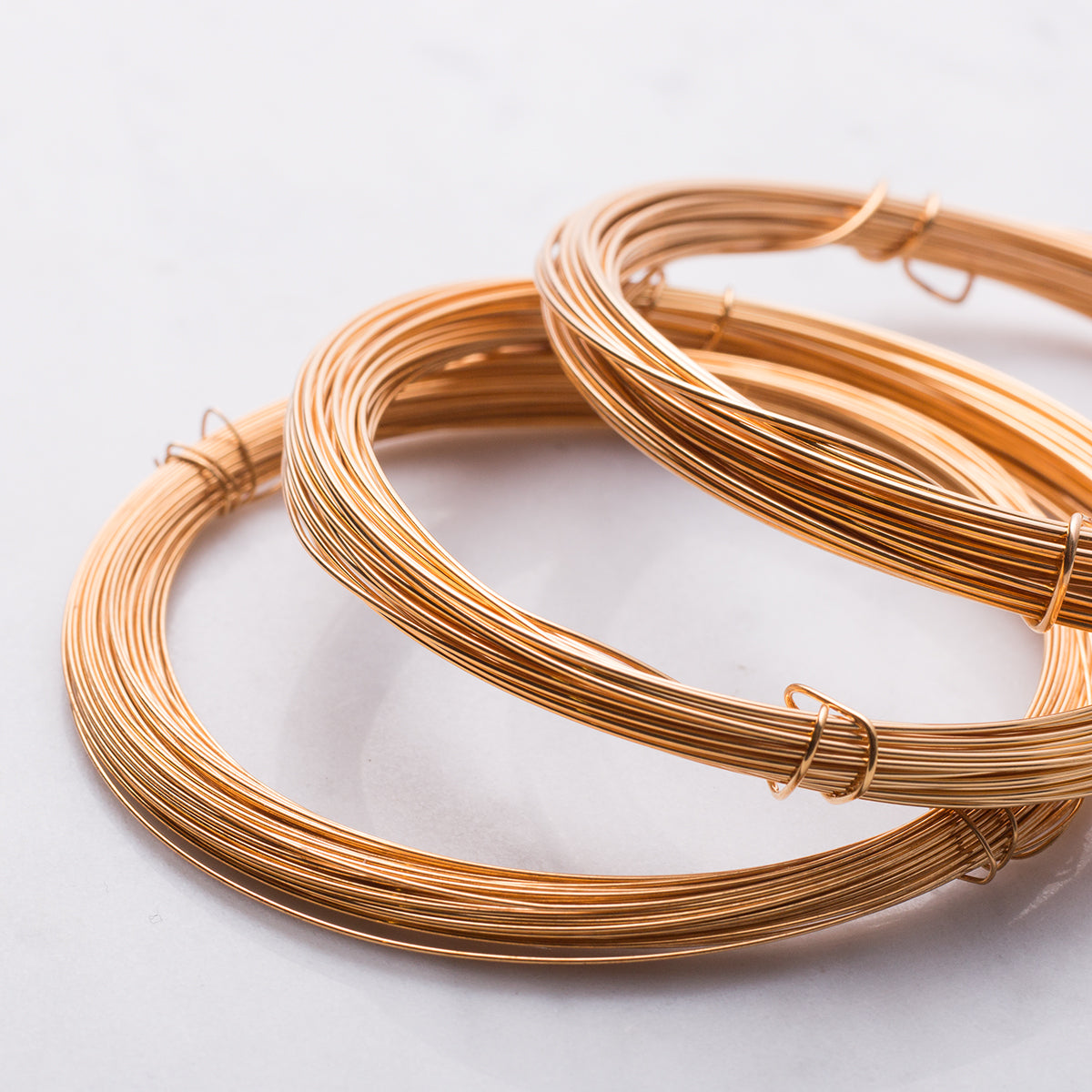
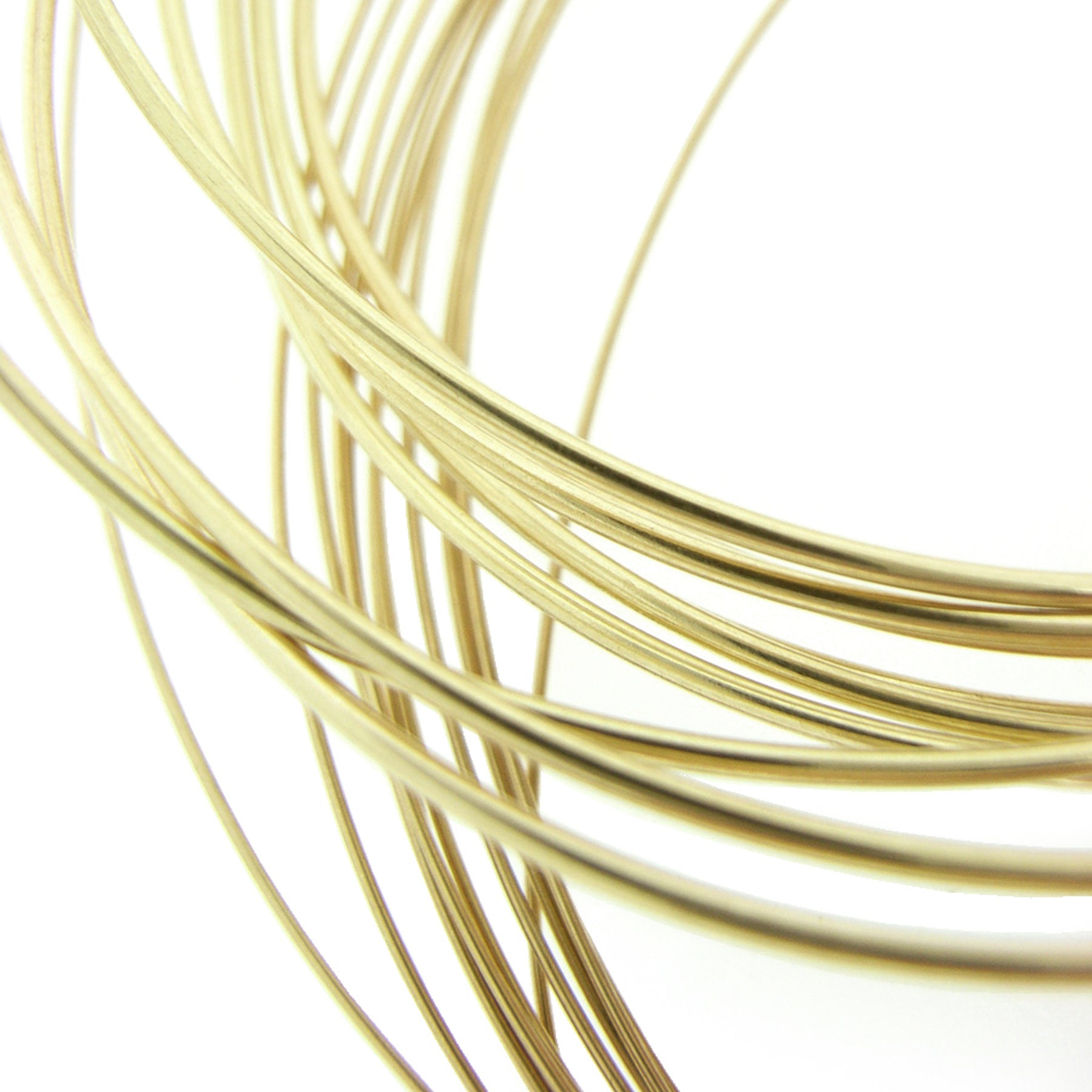
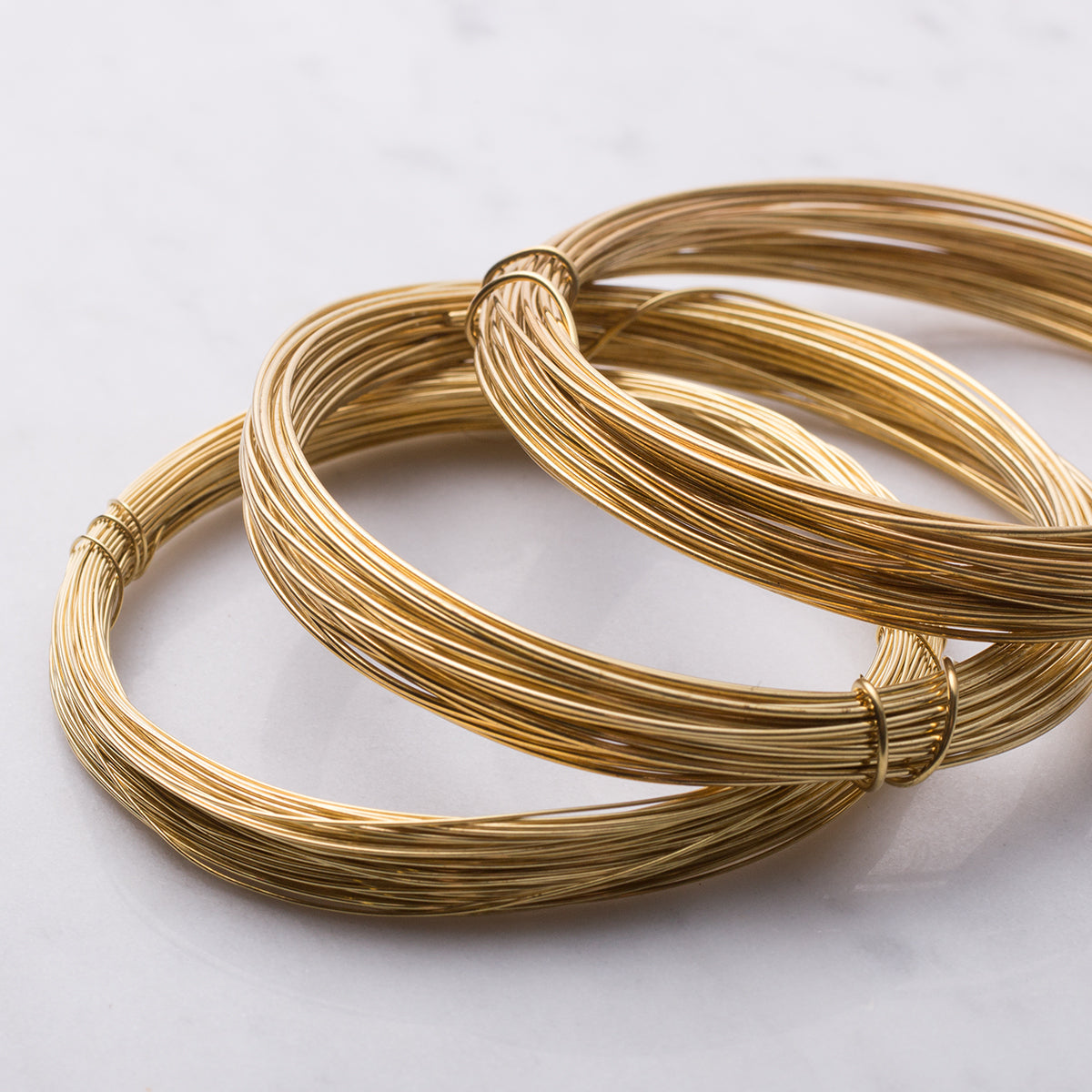
Brass wire is a lovely rich golden colour and can work beautifully in many designs. Brass is a little stiffer than other wires and therefore a little harder to get a high quality result as kinks are more prone. However, it does give a beautiful finish.

Fine silver wire
Perfect if working with a flame as fine silver will not get firestain when heated. Fine silver is softer to work with than sterling silver, so often people prefer to use this for wire wrapping designs.

Sterling silver wire
Precious metal wire adds value to your design as well as a quality that will last. We recommend using sterling silver and 9ct gold wire once you have had a little experience with other, cheaper wires.

9ct gold wire
Our 9ct gold is perfect for adding value to your designs. Great for a wide range of jewellery making, from wire wrapping to making your own findings and rings.

Recycled metal
Recycled metal is an increasingly attractive product for today's eco-aware jewellery buyers and we see more and more jewellery makers proudly labelling their goods as being made from recycled metals. We offer a wide range of recycled metal including metal wire, metal sheet, tubing, bezel strip and solder.
What size wire do I use?
Wire is measured in either mm - which is the UK's measurement guide, or in gauge - which is Americas measurement guide.
We provide up to 10 different sizes in round wire. Starting at 0.2mm (32 gauge), ranging to 4mm (6 gauge) - see below what size wire works best for particular projects.
0.2mm, 0.3mm & 0.5mm wire
Great for wrapping gemstone beads with small to medium-sized holes or for intricate wirework.
Very easy to manipulate and work with.
The higher you are able to go within this size range the stronger your design will be.
0.6mm, 0.8mm & 1mm wire
Good sizes for making your own findings and creating larger wire shapes. 0.8mm is the most popular choice of wire for earwires.
1.5mm - 2mm wire
Good for rings, bracelets, bangles and cuffs as well as for creating frames and structure wire.
3mm - 4mm wire
This very thick wire can be used for bangles or cuffs. It is also perfect for those that like nice chunky, statement jewellery or for creating men's jewellery with a bold look. This wire is obviously much harder to work with and takes some extra working.

The different shapes of wire
Round wire
Round wire is the most commonly used wire. It comes in the largest variety of sizes and is the most versatile of wires - you can use it for what ever your heart desires. It is used in all popular wire jewellery making techniques, as well a for making your own findings.
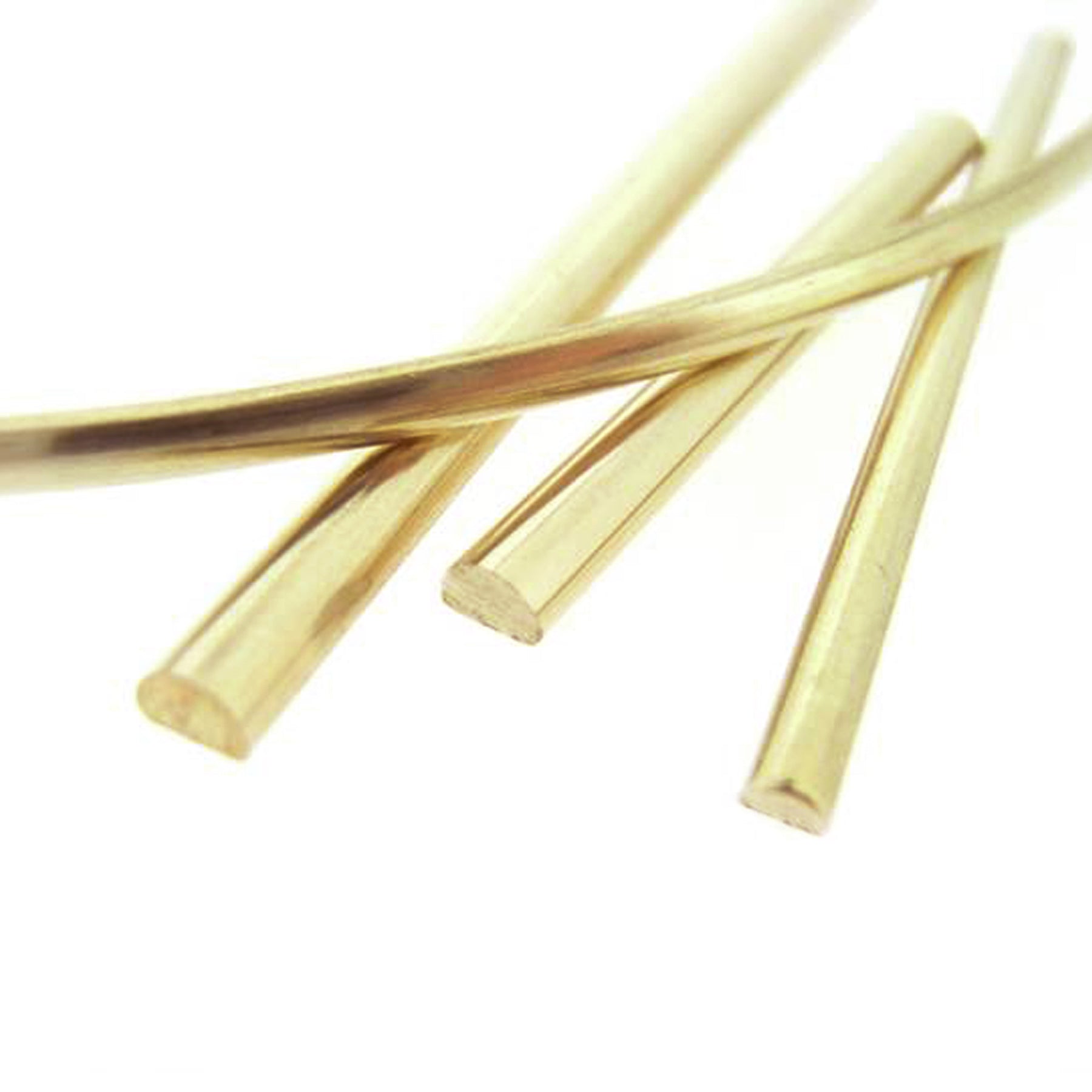
D-shaped wire
This wire can be used for a variety of silversmithing projects and is also perfect for making rings and bangles.

Square and rectangular wire
Square and rectangular wire has a multitude of uses, many use it to make bangles and rings. It is very strong and often used when a thicker, sturdier frame is required.

Beaded wire
This wire is often used for stacking rings as well as for making your own jewellery findings such as pretty toggle clasps or hook and eyes. It is also a great wire to incorporate into your designs to add a decorative element, for example adding around a bezel.

Different wire working techniques & tutorials


Wire wrapping
When we use the term wire wrapping we refer to techniques that involve wrapping stones and components into part of a design. It is also a technique used to make connections and findings.

Wire weaving
Wire weaving involves weaving a thinner piece of wire between two or thicker pieces of wire. Weaving creates dimension and a lovely textured effect. It requires soft malleable wire. The beautiful wire weave pendant was made in house by our sales manager.

Coiling
Coiling refers to wrapping wire around a wire frame. The frame is usually a thicker wire than the wire being using to coil. It can be used to simply make loops and jump rings, or it can be a feature within the design. Coiling can look very effective and is also often used with weaving techniques.
More helpful pages on using wire

Wire wrapping tools & uses
We find it really useful to have a good selection of tools on hand to help simplify the design being created. Read our advice page on our recommended tools for wire work.

How to work harden metal wire
Work hardening is the process of changing the temper of the wire to make the wire stronger. Discover our recommended methods for work hardening your designs.

Tarnish: how to remove & prevent it
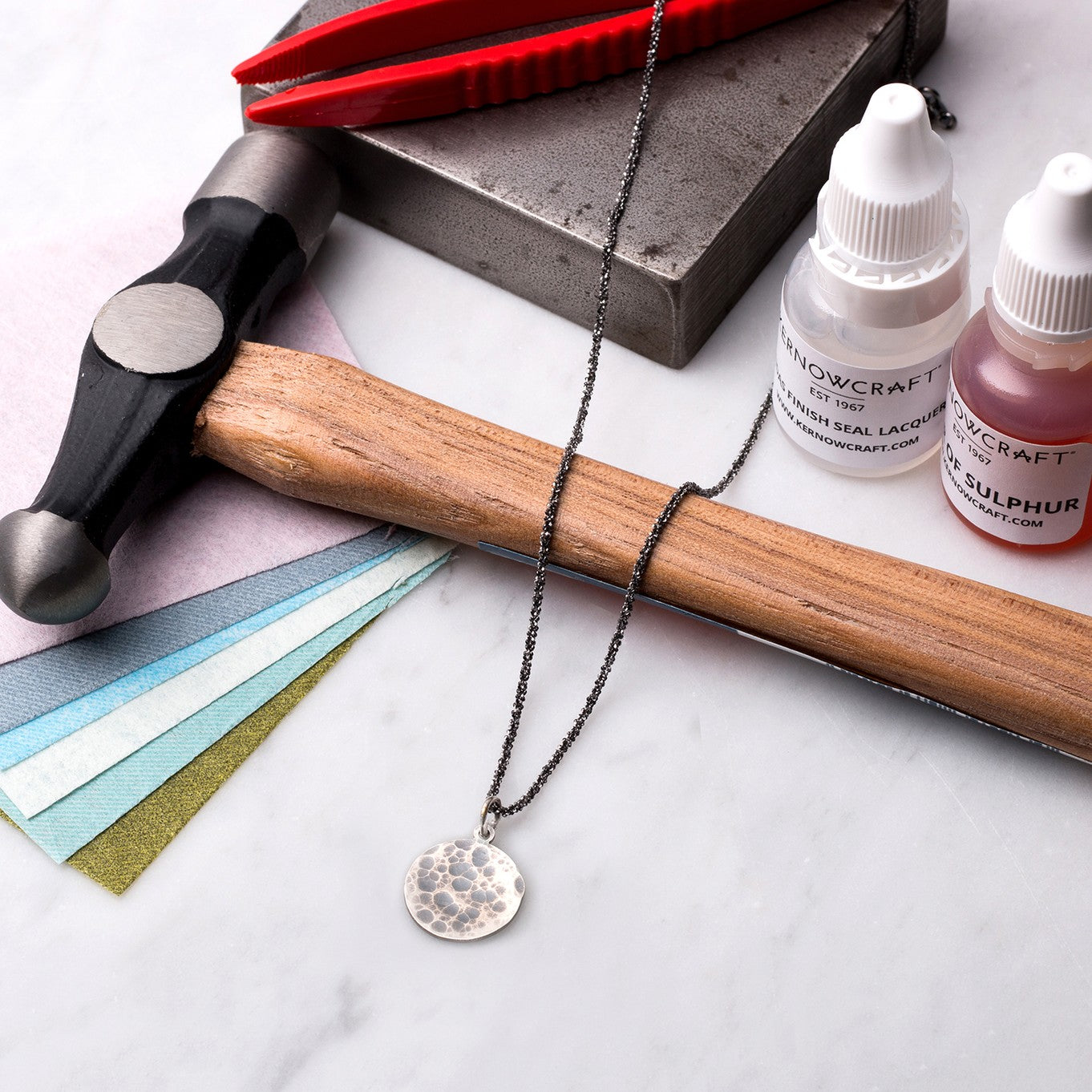
Tarnishing is an unfortunate process that everyone will encounter when working with metals. As your metals react to chemicals such as oxygen and sulphur the metals undergo a process known as oxidisation which can leave a dark coating on your metal. Learn more about this and ways to prevent and remove it from your jewellery.